Why getting Phantom to run in a browser finally matters.
Wow!
I’ve been poking around Solana wallets for years and this feels different.
My instinct said ‘no way’ at first, but then something clicked when I saw a clean web flow that didn’t require the desktop client to gate every dapp interaction.
Initially I thought a web Phantom would be a gimmick, but then realized the real win is friction reduction for mainstream users.
Here’s the thing.
Phantom has been synonymous with smooth onboarding on Solana for mobile and extension users.
Developers love its wallet adapter and users like the simple UX.
But web-native access changes the calculus because dapp reach scales when you remove install friction.
On a deeper level the web version forces product teams to rethink session management, key handling, and the UX of permission prompts, which is both exciting and a little terrifying for security purists.
Seriously?
From a user’s angle a web wallet means clicking a familiar link and being live in seconds.
You’ll skip extension installs and app store detours that slow adoption.
When you design the web flow you have to balance convenience with explicit, granular approvals, which often means rethinking how signing dialogs present contextual data.
Whoa!
Some teams use ephemeral keys that expire with the session.
Others store encrypted blobs in the browser and lean on user-provided passwords to unlock them at each visit.
This part bugs me because browser storage can be quirky across devices and users will expect cross-device continuity without understanding the tradeoffs.
I’ll be honest—I’m biased toward approaches that avoid long-lived secrets in the client.
My instinct said a seedphrase-less flow would be killer for adoption.
Wow!
But actually, wait—let me rephrase that: somethin’ as simple as ‘continue with web’ is not enough if recovery is opaque.
On one hand it’s brilliant to remove the initial friction, though actually you need a clearly explained recovery path, and that often pulls you back to custodial or social-recovery hybrids.
I’m not 100% sure which user segments prefer which tradeoff, and that’s okay.
Developers building Solana dapps must consider the adapter layer and how approvals are surfaced.
Really?
The wallet adapter pattern works well, but web Phantom needs robust backward compatibility with existing dapps that expect extension behavior.
It also should provide explicit APIs for session lifecycle events, so apps can gracefully handle key rotations, renewals, or user-initiated disconnects without losing funds or state.
On the tooling side, local debugging and simulator support will accelerate developer confidence.
Here’s what I kept testing.
I connected a toy marketplace, a streaming-payments demo, and a multi-sig playground to see edge cases.
This repeated local tapping on approval flows revealed tiny UX assumptions that break at scale, like implicit timeouts and overlapping prompts when multiple windows are open.
Security dialogs sometimes lacked contextual metadata, which made me hesitate to approve transactions in unfamiliar sites.
Something felt off about confirmations that show only raw hex and nothing human readable.
So what’s the practical takeaway?
Wow!
If you’re a dapp owner, start thinking about session UX and explicit permission granularities now.
If you’re a user, test web flows carefully, make backups, and treat browser-based wallets as capable but different tools than mobile apps.
On balance I feel optimistic about Phantom web bringing Solana dapps to more users, though the community must stay vigilant about key safety and honest UX.
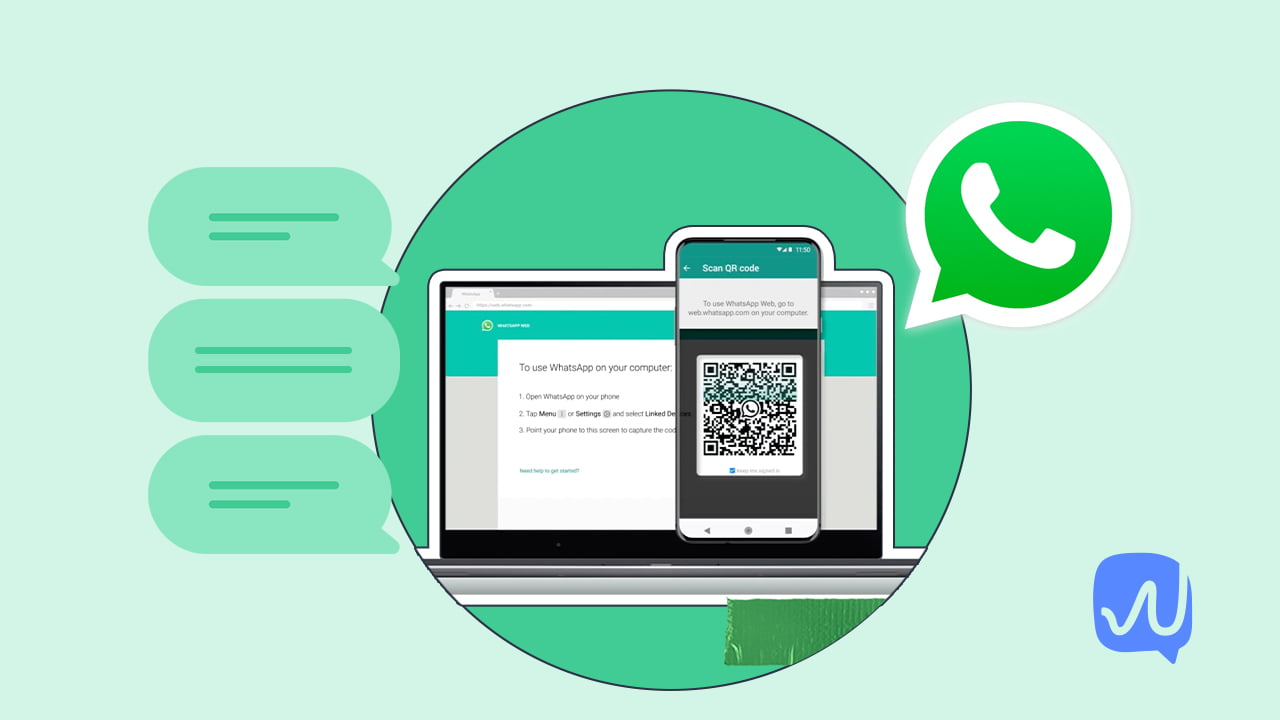
How to try a web Phantom flow safely
Check this out—how to try it safely.
Wow!
Open a supported dapp in your browser and follow the Connect prompt from phantom wallet, then use the friendly approvals UI to review each instruction.
If you worry about backups, export your recovery option immediately and store it somewhere you trust.
I used the web flow to test a small transfer and it felt surprisingly fluid and clear.
FAQ
Is a web wallet as secure as an extension or mobile wallet?
Short answer: not inherently better or worse—just different. Web wallets change the threat model: you worry more about tab/session compromise and less about malicious extensions, so the protections shift toward session isolation and clear user prompts. (oh, and by the way… use hardware keys for high-value transfers.)
Will my dapps need to change?
Yes and no. Most dapps using the wallet adapter will still work, but you’ll want to handle session lifecycle events and design for intermittent approval dialogs. It’s very very important to surface human-friendly transaction details so users can make informed decisions.
What if I lose access to my browser?
Have a recovery plan. Export your recovery option, consider social or custodial recovery if that’s acceptable, and test restores on a separate device. I’m not 100% sure every solution is perfect yet, but thoughtful UX plus clear education goes a long way.